







Search Results for: burlap packaging
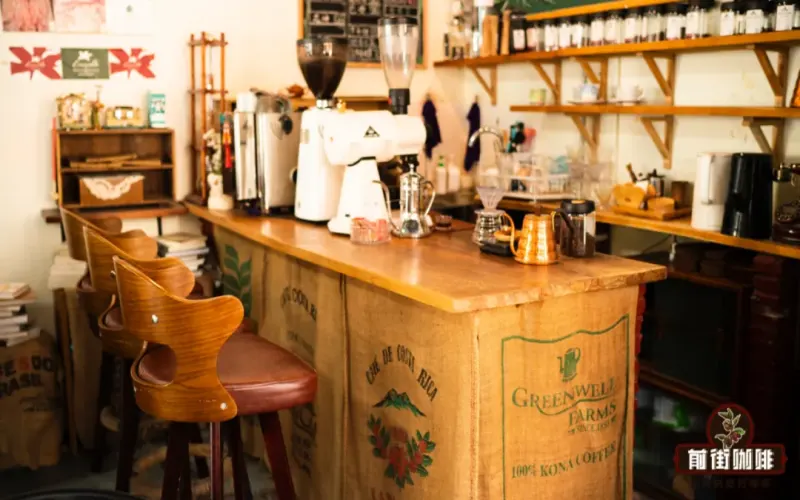
Why Are Green Coffee Beans Traditionally Packed in Jute Bags? How Much Does a Bag Weigh? A Comprehensive Analysis of Coffee Bean Packaging Specifications
Walk into any specialty coffee roasting workshop, and you will most likely see several coarse burlap sacks stacked in a corner, printed with the name of the producing region and the estate logo. This is almost a universal scene in the coffee industry—from Ethiopia to Colombia, the vast majority of green beans choose burlap sacks as their outer layer when crossing mountains and seas. But have you ever wondered why it is burlap specifically? What allows it to replace more modern packaging materials? And what is the standard weight of a sack of green beans? Around these seemingly basic yet rarely examined questions, this article will sort out from the beginning the evolution logic of green coffee bean packaging, the physical advantages of jute material, and the current trend toward diversified packaging forms. [more…]
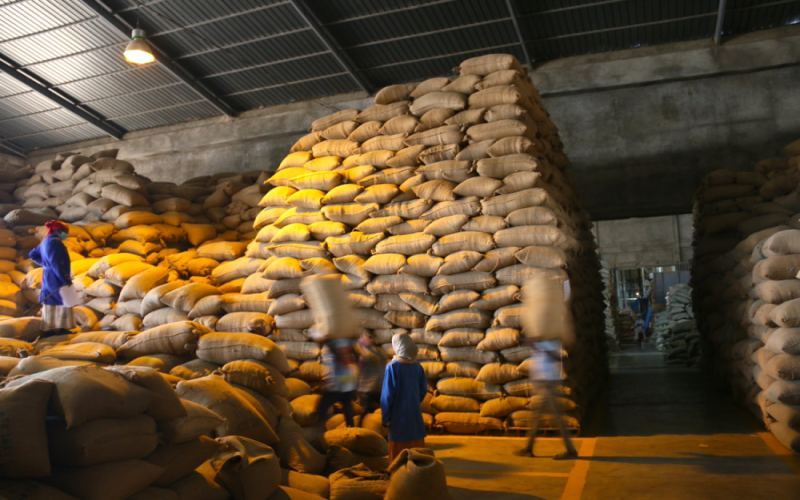
A Complete Guide to Green Coffee Packaging and Storage: From Jute Bags to Vacuum Seals and Freezing Methods
From the moment green coffee beans leave their place of origin and reach the roaster, the packaging and storage methods directly affect the final flavor. In the past, burlap sacks were the mainstream, but today specialty coffee has driven a series of more refined packaging and storage technologies, including vacuum bags, grain bags, and even frozen storage. This article will systematically introduce the commonly used green bean packaging methods, their respective advantages, disadvantages, and costs, and discuss warehouse environment management as well as different understandings of the concept of "seasonal." Whether you are a roaster or a coffee enthusiast, you can learn from this how to better maintain the freshness and quality of green beans. The burlap sacks commonly seen at Front Street stores are also mentioned in the article as one of the most economical options. [more…]
Green Coffee Storage | What Are Green Coffee Packaging Methods? Introduction to Green Coffee Storage Temperature, Humidity, and Shelf Life
Until recent years, all coffee beans were packaged in burlap sacks and transported in shipping containers, only reaching roasters several months after the beans had been processed. If roasters and importers occasionally wanted to cup coffee beans from the place of origin, or taste a "pre-shipment sample," what they received instead would be stored [more…]
Understanding Coffee Bean Grading Standards Through Blue Mountain Coffee: Screen Size, Barrel Packaging, and Export Regulations Explained
Jamaican Blue Mountain coffee is globally recognized as one of the top coffees, but do you know how it is graded? This article will guide you through the basis for grading Blue Mountain coffee—screen size—and the strict cupping confirmation process. From No. 1 to No. 3, coffee beans of different screen sizes show no difference in taste, but there is a distinction between wooden barrels and burlap sacks for green bean packaging. Barrel-packed Blue Mountain coffee also comes with a certificate of origin, and the barrel is printed with information about the estate and importer. In addition, the Jamaican government has clear regulations on the export of defective beans and coffee beans with taste issues. Front Street Coffee reminds you that understanding this grading knowledge helps in identifying authentic Blue Mountain coffee. [more…]
A Comprehensive Analysis of Jamaica Blue Mountain Coffee's Core Producing Regions and Renowned Estates
Jamaican Blue Mountain coffee is renowned worldwide for its exceptional quality, and the stylistic differences among various producing regions and estates often determine the caliber of flavor in the cup. This article will systematically review the main producing origins of Blue Mountain coffee, including representative estates such as Wallenford, Amber, MoyHall, and Mavis Bank, comparing their output, packaging, market destinations, and quality tiers. At the same time, we will also introduce the Clifton Estate Blue Mountain No. 1 purchased by Front Street Coffee, covering everything from the estate's background and certification information to its flavor performance, giving you a comprehensive understanding of what makes this top-tier Blue Mountain coffee so unique. [more…]
Why Jamaican Blue Mountain Coffee Is Packaged in Wooden Barrels: An In-Depth Analysis from Historical Origins to Quality Assurance
Green coffee beans are usually transported in burlap sacks, but Jamaican Blue Mountain coffee has always been shipped in wooden barrels. This unique tradition has both historical roots and implications for quality assurance. Front Street Coffee will provide a comprehensive explanation of what makes Blue Mountain coffee unique, covering the origins of barrel packaging, the characteristics of the wood, the Rainforest Alliance certification mark, and Blue Mountain coffee's certificate system, estate background, processing methods, and varietal characteristics. At the same time, Front Street Coffee will also share the brewing parameters and flavor profiles of two Blue Mountain No. 1 coffees—one washed and one natural—to give you an in-depth look at every detail of this top-tier coffee. [more…]
A Complete Breakdown of Indonesia's PWN Pwani Coffee Company: How to Identify Golden Mandheling and the Wet-Hulled Processing Method
Mandheling coffee is the pride of Sumatra, Indonesia, and the Golden Mandheling produced by PWN (Pwani Coffee) is the finest representative among them. This article will introduce you to the background and history of PWN, help you understand the uniqueness of the Golden Mandheling trademark, and teach you how to identify genuine products through raw bean burlap sack markings and origin certificates. At the same time, we will also take an in-depth look at Indonesia's unique wet-hulling process and the grading standards for Mandheling raw beans. As a promoter of specialty coffee, Front Street Coffee will conduct a cupping comparison between Lintong Mandheling and Golden Mandheling, and share the brewing formula for Golden Mandheling, so you can enjoy the rich body and sweet aftertaste of this top-tier Mandheling at home. [more…]
A Detailed Guide to Jamaican Blue Mountain Coffee Grades: Price Differences Between Grade 1 and Grade 2 Beans and Key Identification Points
As one of the world's top coffees, Blue Mountain coffee's grade classification and price differences have always been a focus of attention for coffee enthusiasts. Jamaican law explicitly stipulates that only coffee beans produced in the Blue Mountain region can bear the name Blue Mountain. High-grade Blue Mountain coffee is divided into three grades: No. 1, No. 2, and No. 3. Although the taste is consistent, the bean sizes differ, and the prices also show clear differences. In addition, green beans must be exported in wooden barrels, with the estate, importer abbreviations, and batch information printed on the barrel, along with a green certificate of origin. Defective and flawed beans, however, can only be shipped in gunny sacks or exported after heavy roasting. Understanding these details helps identify authentic Blue Mountain coffee and avoid buying the lowest-grade products. Front Street Coffee reminds you to pay close attention to grade and packaging information when making a purchase. [more…]
Jamaica Blue Mountain Coffee Origin, Varieties, and Grades: A Complete Guide from the Blue Mountain Terroir to Front Street Blue Mountain No. 1 Brewing Guide
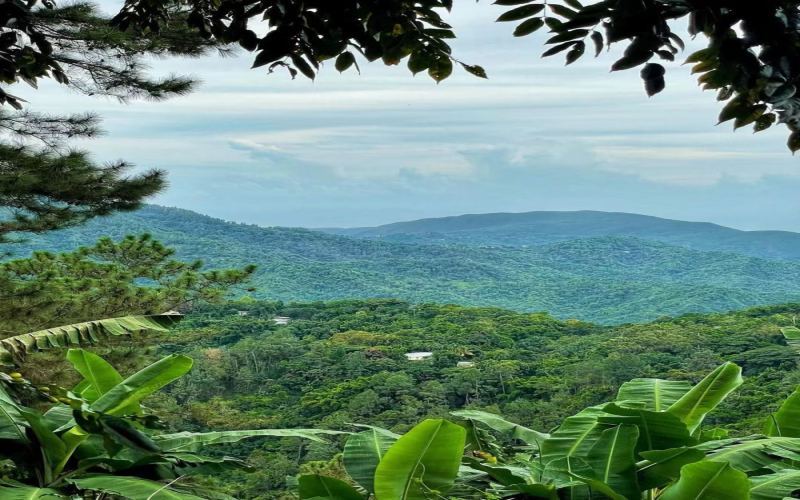
Blue Mountain Coffee is hailed as the finest of coffees, produced in the Blue Mountains of eastern Jamaica, an island nation in the Caribbean. This region boasts volcanic soil and a high-altitude microclimate marked by year-round fog and frequent rain, nurturing a unique flavor with a perfectly balanced interplay of acidity, bitterness, and sweetness. Front Street Blue Mountain Coffee is Jamaica's highest-grade Blue Mountain No. 1, with outstanding quality. This article provides a systematic introduction to Blue Mountain Coffee's growing environment, historical origins, grading classifications, harvesting and sales methods, packaging and transportation traditions, as well as Front Street's pour-over brewing parameters and flavor profile, helping coffee enthusiasts gain a comprehensive understanding of this world-class renowned specialty. [more…]
A Comprehensive Guide to Jamaican Blue Mountain Coffee: From Mountain Terroir to Grade Classification and Brewing Parameters
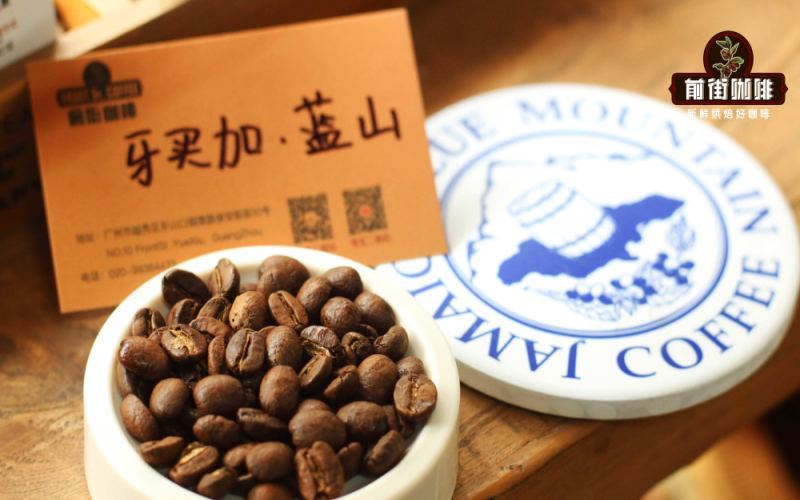
Blue Mountain coffee originates from the Blue Mountain range in eastern Jamaica in the Caribbean, and is renowned worldwide for its balanced and elegant flavor, hailed as the "beauty of coffee." This article will systematically review the geographical origins, historical context, distribution of the three major production regions, grading standards, and the unique process from harvesting to barrel export of Blue Mountain coffee, while also analyzing its flavor characteristics and key points for roasting and brewing. The article also specifically includes the detailed parameters for brewing Blue Mountain No. 1 at Front Street Coffee's shop, for coffee enthusiasts to reference and practice. [more…]
What does the frog logo on the Blue Mountain coffee barrel represent? Is Jamaican Blue Mountain Rainforest Alliance certified?
Friends who drink coffee regularly are certainly no strangers to the fame of Blue Mountain Coffee, but have you ever noticed the frog logo on Blue Mountain coffee barrels? It is actually closely tied to Rainforest Alliance certification. This article begins with Front Street Coffee's introductory experience and gradually breaks down Blue Mountain Coffee's legally defined production area, strict grading, unique barrel packaging, and why it has become a scarce treasure among specialty coffees. It will also explain Clifton Mount Estate's special certification status within the Blue Mountain production area, and introduce the flavor characteristics and availability channels of Front Street Blue Mountain No.1, giving you a comprehensive understanding of this legendary coffee. [more…]
What is the difference between Indonesian Mandheling and Golden Mandheling? One article explains the origin and identification of authentic PWN Golden Mandheling
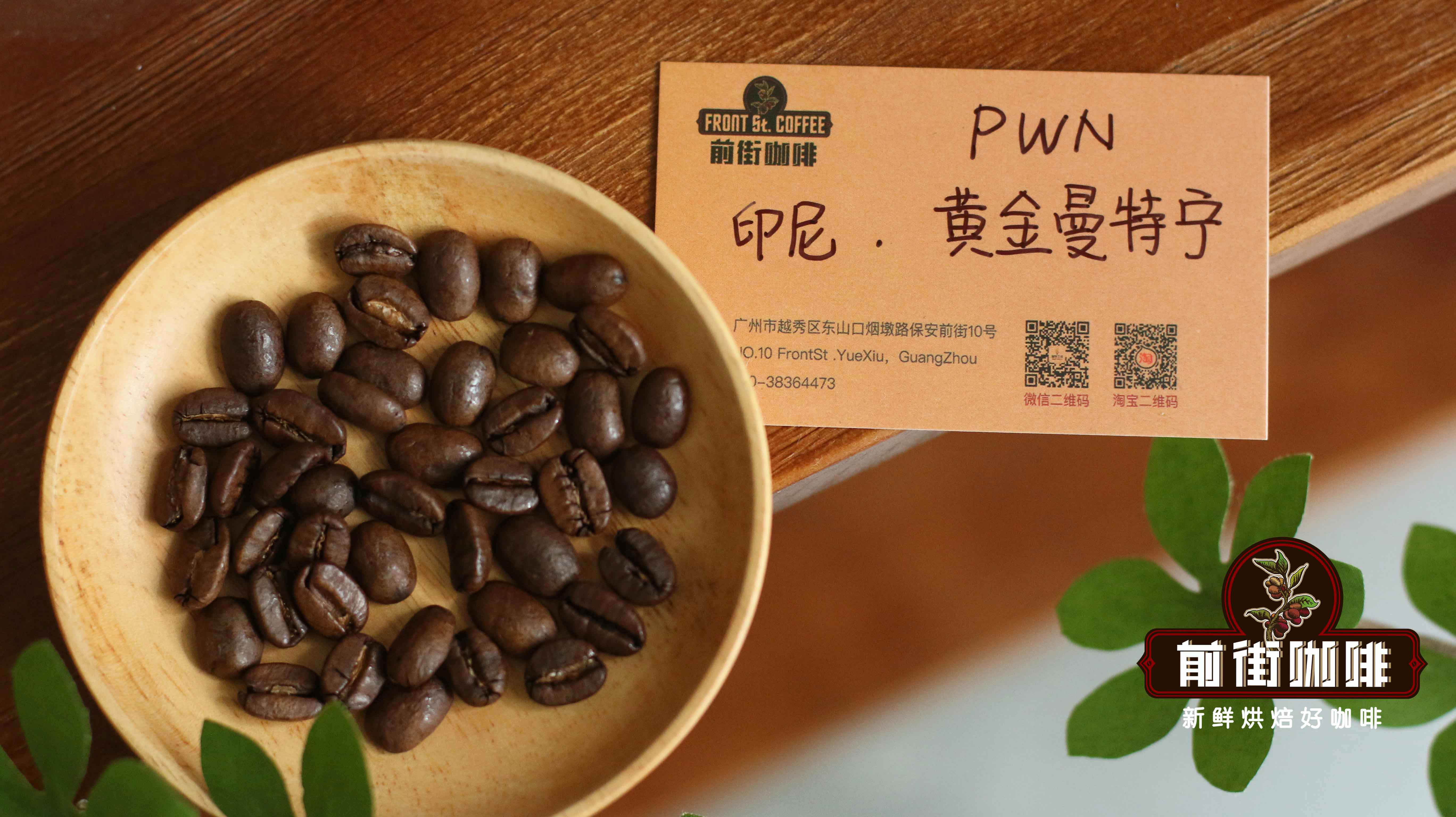
Golden Mandheling is a name that many coffee lovers delight in talking about, but the market is flooded with a mix of genuine and fake products, and getting an authentic one is not easy. This article starts with the origins of Mandheling, sorts out the terroir and variety changes of Sumatra's two core producing regions—Aceh and Lintong—and then takes a deeper look at the history of the Golden Mandheling trademark, explaining why only the Indonesian company PWN produces the authentic version. It also introduces PWN's rigorous five-stage sorting standards, the background of the Ateng variety, and Front Street Coffee's roasting curve and three-stage brewing parameters, helping readers build a comprehensive knowledge framework for identifying and tasting authentic Golden Mandheling, from certificates and burlap sacks to the flavors in the cup. [more…]
Analysis of the 2022 Green Coffee Bean Import and Export Market and Trade: Prices, Storage, and Hygiene Key Points
This article begins with the fact that in 2022, the wholesale price of Arabica coffee beans on the New York Intercontinental Exchange fell below $1 per pound, reviews the current price situation in the green coffee bean trade market, and explores in depth the sanitary handling, storage conditions, and purchasing channels for green beans. The article also offers suggestions on practical issues such as green bean washing and temperature and humidity control, while reminding industry practitioners to raise their awareness of coffee bean food safety, helping coffee enthusiasts and industry professionals gain a more comprehensive understanding of the key stages of green beans from import to before roasting. [more…]
A Complete Analysis of Jamaica Blue Mountain Coffee Region: Typica Terroir, CIB Certification, and the Unique Qualities of Blue Mountain No. 1
Jamaican Blue Mountain coffee was once hailed as the king of coffee, and even those who don't drink coffee have heard of its fame. Although its reputation is not what it once was, its elegant and steady aroma still captivates countless coffee lovers. However, not all Jamaican coffee can bear the name "Blue Mountain." This article will provide a comprehensive introduction to the Blue Mountain coffee region's terroir, the adaptability of the Typica variety, the strict certification system of the CIB, and the quality control standards and packaging characteristics of Blue Mountain No. 1, along with Front Street Blue Mountain No. 1's brewing parameters and flavor description, taking you deeper into the unique charm of this legendary coffee. [more…]

From a Seed to a Cup of Coffee: A Complete Analysis of the Coffee Bean Life Cycle and Processing Techniques
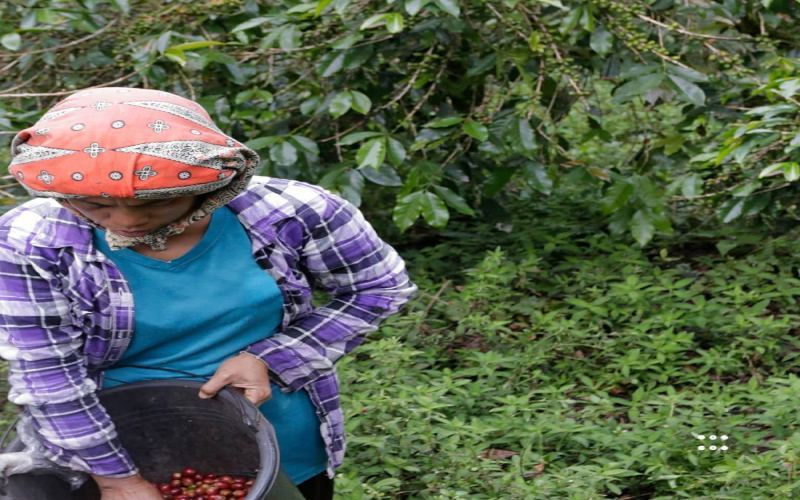
Have you ever been like Front Street Coffee, filled with curiosity about the story behind the cup of coffee you drink every day? From the seed first planted to the final rich aroma in the cup, a coffee bean must go through multiple stages: cultivation, picking, post-processing, transportation, roasting, grinding, and extraction. The Arabica coffee tree has strict requirements for its growing environment—temperature, rainfall, altitude, and soil are all indispensable. After picking, the coffee cherries must also undergo processing such as sun-drying before they become green beans, and then through roasting they develop their captivating flavors. This article will take you through the complete journey of a coffee bean from the field to the cup, helping you understand how each step affects the final flavor. [more…]
Green Coffee Packaging, Storage Conditions, and Seasonality: A Full Analysis of Jute Bags, Vacuum Bags, GrainPro Bags, and Freezing Methods
The quality of green coffee beans depends not only on origin and processing method; their packaging and storage methods are equally crucial. From the most common jute bags to vacuum bags, grain bags, and even frozen storage, different packaging methods vary significantly in their protective effect on green beans and their cost. Over the past decade, specialty roasters have driven innovation in packaging and transportation methods, using faster and more scientific approaches to lock in the freshness of green beans. This article will systematically review the advantages and disadvantages of commonly used packaging, the requirements of the storage environment, and explore the concept of "seasonality," which has attracted much attention in recent years. Whether you are a roaster or a coffee enthusiast, understanding this knowledge can help you better judge and preserve coffee beans. [more…]
Ethiopia Yirgacheffe G1 Washed Bean Pour-Over Review: Blue Nile Flavor and Origin Story
Yirgacheffe is Ethiopia's most iconic specialty coffee region, and domestic coffee enthusiasts have long been familiar with it. This time we're going to talk about a washed Yirgacheffe G1 that has its own专属专属 name—Blue Nile. This bean was created through a collaboration between the American company Royal Coffee and Ethiopia's Keffe Mill processing station, and its name comes from the Blue Nile, the river in Ethiopia that eventually flows into the Nile. As a high-grade designation within Yirgacheffe, G1 represents the superior quality of specialty coffee. Coffee Review gave it a high score of 94 points. Next, Front Street Coffee will walk everyone through this bean's packaging, green bean condition, and the flavor performance after pour-over brewing. [more…]
How Are Jamaican Blue Mountain Coffee Grades Classified? A Comprehensive Guide from Terroir to Cupping Standards
Jamaican Blue Mountain coffee was once hailed as the "King of Coffee" and remains a classic in the hearts of many coffee lovers today. But not every coffee produced in Jamaica can bear the name "Blue Mountain"—only Typica grown within the zones demarcated by the CIB qualifies. This article will walk through the terroir conditions of the Blue Mountain region, the historical origins of the Typica variety, the CIB's grading standards, and the cupping performance and wooden barrel packaging tradition of Blue Mountain No. 1, sorting out Jamaica's coffee classification system and its unique features one by one. At the same time, Front Street Coffee will also share the pour-over brewing parameters and flavor experience of Blue Mountain No. 1, giving you a comprehensive understanding of this elegant and poised classic coffee. [more…]
A Comprehensive Analysis of the Production Region Characteristics of Jamaican Blue Mountain Coffee and the Functions of the CIB Authority
Jamaican Blue Mountain coffee is renowned worldwide, but its success was not achieved overnight—it went through a long and winding development journey. From the back garden of King Louis XIV's Palace of Versailles in 18th-century France, to its spread to the Caribbean island of Martinique, and then to its introduction and promotion in the Saint Andrew region of Jamaica, the rise of Blue Mountain coffee is inseparable from one key institution—the Jamaica Coffee Industry Board (CIB). The CIB not only delineated the legally designated production area for Blue Mountain coffee, but also regulated variety selection, cultivation techniques, quality grading, and cupping standards, making Blue Mountain coffee a benchmark for the world's specialty coffee. This article will provide an in-depth analysis of the production area characteristics of Blue Mountain coffee, the history and functions of the CIB, and the key points for identifying authentic Blue Mountain coffee such as Front Street Blue Mountain No. 1. [more…]
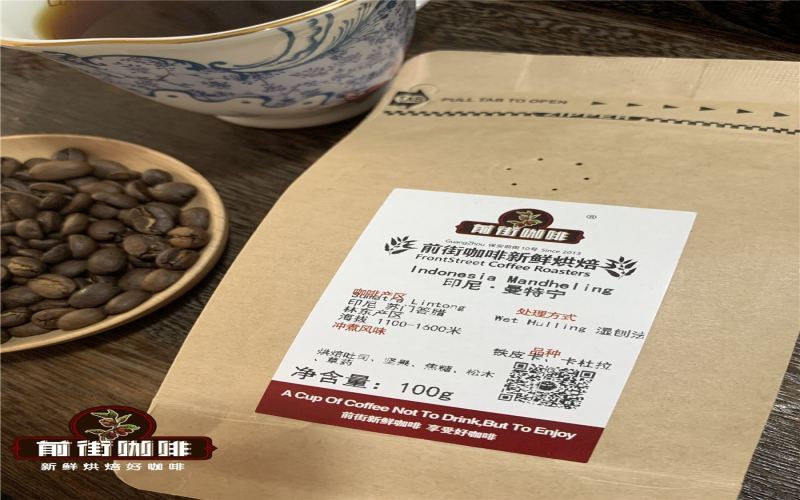
The Origin of the Golden Mandheling Name and an Analysis of the Ateng Variety's Flavor: From Wet-Hulling Process to Front Street Coffee Brewing Recommendations
The name Mandheling does not come from a place of origin or a bean variety, but is a mispronunciation of the Indonesian Mandailing people. After World War II, a Japanese soldier brought this rich, aromatic coffee back to Japan, and Mandheling has been famous ever since. Golden Mandheling, on the other hand, is closely tied to the PWN company, which has contracted high-quality Mandheling-producing regions in Indonesia and enforces strict hand-sorting standards. The Golden Mandheling on Front Street Coffee's bean list comes from PWN, and the shop even displays raw bean burlap sacks and certification certificates. This article will sort out the origin of the name Golden Mandheling, the characteristics of the Ateng variety, and the details of the wet-hulling process, and will also include Front Street Coffee's barista pour-over parameters and three-stage pouring method, to give you a comprehensive understanding of this full-bodied coffee. [more…]